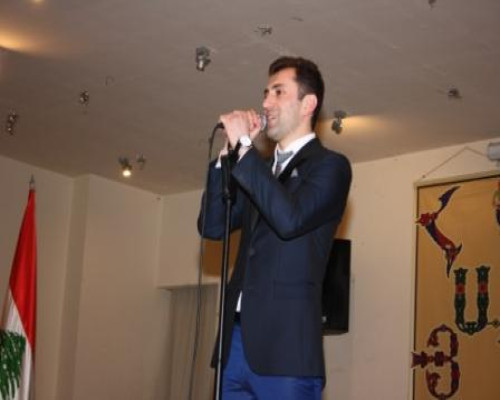


Zohrab was born in 1931 in Khederbeg, the village in Mussa Dagh. He moved to Andjar refugee camp in 1939 with the rest of Mussa Dagh Armenians. Graduated from Haratch Varjaran sixth grade in 1945. In the same year he left Andjar for Jerusalem to study in St. Hagop Armenian Seminary.
In 1948, because of the Palestinian War, he returned to Lebanon where he joined his family in Beirut.
In 1951, with his older brother Boghos, they started a plastic buttons business, designing and manufacturing high fashion buttons for women’s clothing. While still working in the button business, he returned to school and graduated from Haigazian High School in 1955. After attending one year at the American University of Beirut. In 1957, he went to the U.S. to continue his higher education.
In 1960 he graduated from Indiana Institute of Technology, in Fort Wayne, Indiana with a degree in Civil Engineering. He went to work for the Indiana State Highway, in the bridge construction department.
In 1966, he left the government position and formed an engineering company, Z.K. Tazian Associates, Inc. in the practice of Civil Engineering, Land Surveying and Land Planning.
Through the years, Zohrab branched into Land Developing, Residential and Commercial rental properties, and recently embarked on construction of residential and commercial buildings.
In 1984, one of their three children that work in the business came on board the company. The other two children followed a few years later. Today, under the Holding Company, Tazian Enterprises, there are four separate business entities. Z.K. Tazian Associates, Inc. (engineering), Tazian Developments, Tazian Properties, and Amastar Construction.
Education
Kindergarten, Khederbeg Mussa Dah. Sixth grade from Haratch Varjaran, Andjar, 1945. Three years in Armenian Seminary, in Jerusalem. Graduated from Haigazian High School, Beirut Lebanon, in 1955. Indiana Institute of Technology in 1960. Honorary Degree, Dr. of Engineering from Indiana Institute of Technology.
Armenian Organizations
Joined Azadamard young A.F.F.’ers in 1948 in Beirut. Joined Zavarian Student Organization in 1955 and served on the executive board and has been a member of A.R.F. since. Served four years on the A.R.F. Eastern U.S. C.C. as chairman. Chaired the first A.N.C.A. Eastern Region Banquet in 2007. Served six years on the U.S. Eastern Prelacy Executive Council and re-elected presently for a two year term. Delegate to the Holy Seat of Cilicia World Council. Serving on a financial advisory committee to the A.R.S. Central Executive.
U.S. Organizations
Served on the finance committee of former Vice President Dan Quayle, when he ran for congress. Served on the finance committee of former Senator and later Ambassador Daniel Coats. Served on the Allen County Republican party finance committee for thirty years. The last fifteen years serving as campaign chairman for Congressman Mark Sauder of Indiana (the only member of both houses of U.S. Congress to participate in the Pro-Armenia Conference in Paris). Delegate to the Republican National Convention in 1984.
Community Boards
Served Twenty-Eight years on the Board of Trustees of His Alma Matter, Indiana Institute of Technology, (the first two years as President of the National Alumni Association and the last sixteen years as Vice-Chairman of the Board). Served on the Boards of the following organizations: Allen County Public Library, Fort Wayne Philharmonic, Allen County Cancer Society, Art Museum, Serving on the Governors Affordable Housing Advisory Board, President of the Summit Club (private club) for two years.
Professional Organizations
Served on the Indiana State Surveyor’s Board for five years. Member of State and National organizations for both engineers and land surveyors. Holds professional Engineer’s and Surveyor’s licenses in Indiana. Served on Indiana State Home Builders Board and local Home Builders Association Board, for which he was President for one year.
Written many articles on social and political issues for the local newspapers.
Awards
None U.S. born category "Citizen of the Year” Award by Daughters of American Revolution. Awarded the title of "Prince of Cilicia” by blessed memory of His Holiness Karekin II of the Great House of Cilicia, Received the "Man of the Year” award from Armenian Eastern Prelacy. Received "the Agnouni Award” from A.R.S.
Married since 1959 to the former Naomi Kramer of Fort Wayne, Indiana. They have four children, Tina, Sona, Ara and Hera and four grandchildren.
Throughout history, the people of Mousa-Dagh have been known for their devotion towards art, which is revealed in the illustrious artists from around the world, who have been able to cease fame in the most sophisticated artistic societies.


He was born in Beirut, in 1938.
In 1962, he received the "Sersok” Museum award. Later in 1970, he held his first private exhibition,


He is an outstanding Moussadaghian artist.
For the last 3 decades, he has participated in private and collective exhibitions around the globe where many of his paintings are exhibited permanently. http://tazianart.com


He is born in Beirut, in 1937, in a Mousadaghian family. He received his education in Anjar and he continued it in Venice, Rome and Paris. He has specialized in Theology and history of Philosophy and Art. In 1962, he was ordained and consecrated to the Holly order of priesthood, as Father Haroutun Bezdigian and became the director of the "Mekhitarian" School of Venice.
He has organized private and group exhibitions in Lebanon, Austria, Italy, Syria, USA & Armenia. He has received many awards while his paintings are exhibited in different expos.
He is the author of several books whose covers are revealed beneath.


He is born in Beirut, in 1937. He started sculpting in 1985. In 1988 he received 2 international acknowledgment awards. His works have been displayed in more than 20 exhibitions in Lebanon and Italy. He has also participated in group exhibitions in Armenia, Lebanon and USA. Many of his works are currently exhibited in well known museums and exhibition halls around the world. http://vmardirian.com


He was born in Moussadagh, in 1936. His passion towards art started revealing in 1956 when he started sculpting, having the mountains and seashore of Moussadagh as an inspiration.
His works have been displayed in exhibitions in different parts of Lebanon Ծնած է Մուսալեռ , 1936-ին:


He was born in Anjar in 1942. Later he left for Armenia.
He is the author of many architectural designs including many churches. He has received many awards in his domain.
Since the year 1971, his works have been demonstrated in private exhibitions in Lebanon and Anjar.


He was born in Beirut, in 1938.
He received the "Sersok Museum” award in 1962, and in 1970, he held his first individual exhibition. His works have been displayed in individual and group exhibitions in Lebanon, Paris, USA, Belgium and Germany.


He was born in 1945.
He is an artist, a poet, an essayist, a professional in weaving Caucasian carpets and has good experience in archeology. He has many paintings and has participated in many exhibitions.


He was born in Anjar. His sculptures, dedicated to the Armenian Genocide, are situated in different parts of the world; New Jersey, Montreal, Toronto and Cambridge. He is the author of various sculptures of Armenian churches and famous celebrities.


He was born in Anjar in 1954. In 1979, he participated in a collective exhibition. Later his works were displayed in individual and group exhibitions.


He was born in Anjar in 1959.
He has held individual exhibitions and participated in collective exhibitions in Lebanon, Syria and Armenia.

He was born in 1959, in Anjar.
He has participated in group exhibitions and has held solo exhibitions in Lebanon Syria and Armenia.


He was born in 1961, in Yerevan. He has studied Arts in the governmental University of Armenia. He has won international awards in Russia, and USA.
His paintings have been constantly exhibited in different art halls and churches in USA. Since 1986 he has organized several exhibitions in Armenia, USA, Russia and Germany.


She was born in Beirut in 1967. She has held many private exhibitions in Lebanon, Syria and Cyprus. She has participated in more than 50 collective exhibitions in Lebanon, Syria, USA and Cyprus. She is the founder and the leader of "Ayp to Zed” Art Academy. In 1991, she received the "HPEM” golden award.


Aghassi was born in Anjar, in 1964. He studied Arts in the "Art Academy of Armenia", and in "Academia di Belle Art di Venezia" in Italy.
He has held exhibitions in Italy, Lebanon, Spain, Switzerland, USA, Yerevan, England and Belgium.


He was born in Anjar, in 1964. Since the year 1983, his paintings have been displayed in individual and group exhibitions in Armenia and Lebanon. http://raffiandonian.com


He was born in Anjar, in 1968. He has studied Arts in Paris. Since 1987, he has held individual exhibitions in different parts of Lebanon. He, along with his sister Maral Panosian, is the founder of the "Ayp to Zed” Art Academy.


He was born in Anjar, Lebanon, in 1968.
He has studied in the academy of Fine Arts in Venice, Italy. Since 1984 he his works have been displayed in exhibitions held in different countries around the globe.
His art is included in private collections, galleries, cultural centers and museums in Europe, Asia, and America.


He was born in Beirut in 1969. In 2001 he was ordained a priest. He has held individual exhibitions in Lebanon, Germany, England, Cyprus and Italy.
His paintings of saints are displayed in churches in Italy and Armenia as well as in the museum of the Vatican.


Ծնած է Այնճար , 1973-ին:
Փոքր տարիքէն յատուկ սէր ցուցաբերած է նկարչութեան հանդէպ: Հետեւած է Համազգային «Պ. Սեւակ» մասնաճիւղի գծագրական դասընթացքներուն: Մասնակցած է հաւաքական ցուցահանդէսներու՝ ունեցած է նաեւ անհատական ցուցահանդէս: Մեկնած է Հայաստան եւ մասնագիտացած է Ճարտարապետութեան մէջ:


Yetvart Boyajian was born in Kheder Bek, Mousa Dagh, in 1915. He was three months old, during the heroic battle of Mousa Dagh when he, along with his family, was transferred to Port Saaid where they stayed for four years, before returning to their village.
He received his primary education in the local schools of Kheder Beg and Yoghun Olukh and his secondary education in Beirut "Jemaran”.
He started writing in his early ages, while the publication of his works started in the year 1932.
He worked with the "Hayrenik” monthly in Boston, the "Harach” newspaper, the "Aztag’ daily and the "Nayiri” newspaper in Beirut. He also had his works published in the "Hasg”, "Agos”, "Aztarar” and "Pakin” newspapers. He used several pen names like Albatros, Vazken Diranian and Y. Dzovigian.
Besides his literary work, he worked as a teacher in schools in Syria, Mousa Dagh, Anjar, and Beirut. He was one of the founders of the "Pakin” Monthly. His published works are "Ser yev Vishd” (Love and Sorrow) in 1944, "Hoghe” (The Earth) in 1948, "Baykaroghner Tuk Baykaroghner Kazazadz” (Incinerate Strugglers) in 1958, "Tought Zavagnerus” (Letter To My Children) in 1961, "Domar Darakri” (Registers of Deportation) in 1963 and "Yergu Namag” (Two Letters) in 1964.
"Temker” (Portraits) , "Dzenentavayr Gorusyeal” (Lost Birthplace), "Endani” (Domestic), "Gyanki Aperen” (From The Shores Of Life), "Tun” (You) and "Midk Bahe” (Keep In Mind) were published after his death in 1966.

He is born in August, 1927, in Bitias, Mousa Dagh.
He received his primary education in the local school and later in the "Harach" school in Anjar.
In 1944, he was admitted to the "Jarankavorats” school of Jerusalem from where he graduated in 1949.
In the year 1950, he started working as a teacher in the Armenian national schools of Lebanon while his literary works were published in the "Nayiri” and "Agos” newspapers.
He was assigned as the editor of the "Pakin” monthly in 1962. He stayed in Paris for two years where he followed literary and philosophical courses.
From 1966 to 1973, he worked as the chief editor of the literary and cultural sections of the "Aztag” daily.
He is a member of the "Kevork Melidentsi” literary judicial board of the Patriarchal Seat of Cilicia, where he has edited more than 50 books.
His published works are;
He has several works which are ready for publication, which are: "Beghdor Chourer” (Troubled Waters), " Kretsek Patsagay” (Write Absent), "Temkeru Hed” (With Portraits), "Kirkeru Hed” (With Books), "Im Doctoras” (My Doctorate) and "Zroutsner” (Discussions).

Zoulal Kazanjian was born in Mousa Dagh, in 1936.
He was transferred to Anjar along with the people of Mousa Dagh when he was a child, where he received his early education in the "Harach” school. In 1949 he went to Venice to continue his education in the "Mourad Rafayelian” school.
He worked as a teacher in Aleppo from the year 1954 to 1961 after which he settled in Paris. His articles have been published in several Armenian newspapers.
During the last decade of his life, he lived in Armenia, where he spent most of his time writing and editing Armenian books.
He passed away in France in 2009.
His published works are; "Gyanke Kouyres” (Life My Sister) in 1964, "Arevadzaghigi Me Nman” (Like a Sunflower) in 1975, "Sharounageli” (Continual) in 1992, "Panasdegdzoutyunner” (Poesy) in 1996, "Hadendir Hay Yev Hin Keraganoutyan”, 2 volumes, in 1998.

He was born in 1904, in Yoghun Olukh, Mousa Dagh. In 1915, along with the Mousadaghians, he ascended the mountain of Mousa Dagh and later was transported to Port Saaid where he attended the "Siswan” School.
He returned to Mousa Dagh in 1919, where he started teaching in the schools of Kheder Beg, Vakef and Yoghun Olukh. He continued teaching in the schools of Anjar till his retirement.
He started writing at his young age. He worked particularly in studying and documenting the Mousadaghian ethnographical features. He occupied significant positions in the ARF.
His published works are; "Mousa Daghi Babenagan Artsakankner” in 1986 and "Hishadagaran Mousa Leran Parpari” in 1993.

He was born in Kheder Beg, Mousa Dagh, in 1889.
He received his primary education in the national school of the village. His love towards poetry and music was revealed in his early years.
In 1910, he enrolled in the Ottoman Army and served in "Marash”. In 1913, he went to USA where he stayed for more than 33 years. In 1946, he returned to Anjar and participated in the construction of the village. He spent his last years in Anjar amongst his people where he was known as "Dolar Baboug”.
He composed songs and wrote stories in Armenian and in Mousadaghian dialect.
His famous songs are; "Mousa Leran Kouygheren”, "Havoun Yeke”, "Amousinneroun Veje”….. etc.
He passed away in Anjar in 1964.
He was born in Antioch. He lost his father in the massacres of Cilicia in 1909.
He received his primary education in the national school of Aintab. After studying the mentality and psychology of the Turkish people, he became an expert in "Touranism”.
He is the author of two documentaries, "Inch Ge Dzerakren Turkere” (What do Turks Plan) and "Grnank Hashdevil Turkin Hed” (Can We Reconcile With the Turk).

He was born in the Yoghun Olugh village of Mousa Dagh. He received his primary education in Port Saaid.
After returning to Mousa Dagh, he left for Istanbul where he attended the "Mkhitarian” school and later continued it in the "Mekhitarian” monastery in Vienna.
He worked in different magazines and newspapers and is the author of several documentaries where his domination on the linguistic, critic, derisive and theatrical methods are revealed.
His published works are; "Lezvashinoutyun”, "Toros Dzara” and "Martasbanoutyun me” while his theatrical works were published in more than a few volumes.

He is born in Anjar, in 1946. He received his primary education in Anjar after which he attended the monastery of the prelacy of Cilicia in Antilias, from where he graduated in 1967.
He served as a teacher and principal in Anjar, Zahle, and the "Trchnots Poyn” in Byblos. As a religious leader, he has served in Lebanon, Cyprus and Greece. In 1997, he was assigned as the surrogate of the Armenian Catholicosate of Cyprus and in 2003 he received the Archbishop title.
He has had valuable educational, literary and churchly activities and is the founder of the "Karni” manuscript which has 41 published volumes. Since 1993, he has been publishing the "Ardziv” monthly and since 1997, the "Keghart” newspaper of the Catholicosate of Cyprus.

Besides his numerous articles which have been published in Armenian newspapers, he has several published books which are; "Hayasdanyants Yegeghetsin Gibrosi Mech”, "Adanayi Vganere yev Sourp Sdepanos Vgayarane”, "Teghtagtsoutyun Sahag P. Gatoghigosi Yev Bedros Ark. Sarjyani”, "Gibrosi Temi Hovagan Garke yev Temagan Gazmavorume” and "Dbakroutyun, Vorper, Melkonian Hasdadoutyun".
He is born in Beirut, in 1937, in a Mousadaghian family. He received his education in Anjar and he continued it in Venice, Rome and Paris. He has specialized in Theology and history of Philosophy and Art. In 1962, he was ordained and consecrated to the Holly order of priesthood, as Father Haroutun Bezdigian and became the director of the "Mekhitarian" School of Venice.
He has organized private and group exhibitions in Lebanon, Austria, Italy, Syria, USA & Armenia. He has received many awards while his paintings are exhibited in different expos.
He is the author of several books whose covers are revealed beneath.

He was born in the Yoghun Olukh village of Mousa Dagh, where he received his primary education. He continued his education in the "Melkonian” establishment later he specialized in English language and literature.
He taught English and Armenian languages in secondary schools. He was the chief editor of the "Donigian” publishing house.
He had great contribution to the Armenian press with his narrations, poems and literary articles.
He edited the "Tebi Yergir”, "Yergir” and "Houshartsan Mousa Leran” publications.
He is the Author of "Gyanki Garod” 1957, "Houshamadyan Mousa Leran” 1970, " Mousa Leran Haygagan Kaghtojakhe” 1988 and an English-Armenian, Armenian-English dictionary with Rev. Dikran Khentouni.

He was born in 1938 in the Vakef Village of Mousa Dagh.
He received his primary education in the local school and later continued it in the monastery of Sgudar in Istanbul where he also attended the "Mekhitarian” school.
Besides teaching, he worked with the Armenian press in Istambul where a few of his works were published.
He lived his recent years in Armenia where "Yes Kalis Em Im Babi Krgits”was published which includes his prosaic works.
His son, Garen Janian, gave his life during the Conflict in Artsakh, who, in his turn, has a work, "Mdavoragan Mardige”, which was published after his death.


Writer, poet and editor Bedig Hergelian was born in 1954 in Anjar.
After receiving his education in the "Harach” "Kalousd Gulbenkian” Secondary school of Anjar he studied Armenian courses in the Hmazkayine establishment of Armenology in Beirut. After an interruption, due to the Lebanese Civil War, he graduated in 1985.
In 1976 he was sent to Greece where he was the chief editor of the "Azad Or” newspaper. In 1978 he returned to Lebanon to join the editorial staff of the "Aztag” daily.
In 1973 his first booklet, "Baduhanes Turs”, was published, which was followed by "Pare” in 1983.
"Yev Yergir Badkam”, "Yuhu”, Razmig Tavoyian’s "Hadendir”, and M. Lerentsi’s "Echer” were published consecutively during the years 1985-1987.
He worked as a teacher in the "Terchnots Pouyn” orphanage in Jibeil.
He died after being hospitalized for a few months in 1987.
After his death, his work, "Kragan Verludzagan Ekher”, was published which includes the studies of Vazken Shoushanian and his press published works.
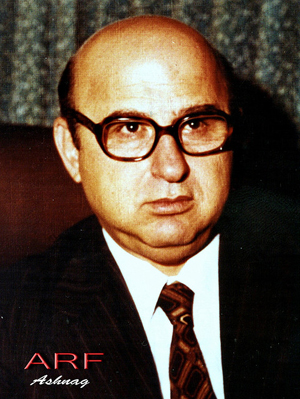 Sarkis Zeitlian was born in Kheder Beg, Mousadagh, In 1930. With the rest of the Mousadaghians, his family settled in Anjar, in 1939. After attending the "Haratch" Elementary school in Anjar, he continued his education in the "Seminarists'” School in Jerusalem. Then, he came back to Lebanon and in 1954 he graduated from the Armenology Department of the Neshan Palandjian College, whose principals were prominent Armenian writers and scholars like Levon Shant and Simon Vratzian consecutively. There, he had the opportunity to be in contact with prominent Armenian scholars, national figures, and government officials from Armenia, and therefore to be inspired by their ideological principles and spirit.
The year of his graduation, he was invited to Cairo, Egypt, to join the crew of the ARF newspaper "Housaper" as assistant to the chief editor Vahan Navasartian. At the same time, he taught Armenian subjects at the "Kalousdian” national school. In 1957, he married to Sona Simonian, a writer. In 1958, he was appointed chief editor of "Housaper" and he worked with Kapriel Lazian, Penyamin Tashian, and others. He also held responsible positions in the party. With his efforts, the youth groups of the party revived and the "Aharonian" students' Association was established in Cairo.
In 1962, he returned to Lebanon with his family. Settling in his hometown Anjar, he directed his efforts towards the enhancement of the social and educational fields. It was by his efforts that the construction of the "Haratch" Secondary School started with its boarding department. He was appointed principal of the school and at the same time he was the chairman of the ARF "Garmir Ler" committee of Anjar.
In 1965, he was appointed chief editor of the ARF Regional Central Committee's "Aztag” Daily newspaper. After the establishment of the "Troshag" in 1969, he served as an assistant editor for a while, after which, in 1978, he was appointed as chief editor. He occupied the post until he was kidnapped on March 28, 1985, and was supposedly killed in captivity.
In 1974, by his initiative, the ARF Press Office was started which was to perform ideological-political studies and to orient the Tashnag Press Releases.
Between the years 1968 and 1972, Sarkis Zeitlian was a member and the director of the ARF Regional Central Committee. During this period, he fought for the rights of the Armenians in Lebanon. The number of Armenian deputies in the parliament increased and the Armenian community of Lebanon gained political weight.
During the historically significant 20th General Assembly of ARF, held in Vienna in 1970, S. Zeitlian was elected as an ARF Bureau member, a post that he occupied until his kidnapping.
He was the initiator of the ARF Youth Association (LEM) in Lebanon, which became an example in the ARF branches in all over the world.
During the Lebanese civil war, S. Zeitlian held responsible positions in the party and was one of the masterminds behind the decision of adopting "positive neutrality" among the many sides involved in the political and military conflict. He always stressed the strategic importance of the Bourj Hamoud region, inhabited by Armenians. He was always in the front lines, and a permanent presence in critical regions.
As a member of ARF Bureau, he visited Armenian communities in the Middle East, Latin America, and Europe contributing to their organizational revival and the activities of the newly established Armenian National Committees.
March 28, 1985, was a black day in Armenian history because that was the day when Sarkis Zeitlian was kidnapped, never to be found again. His family and the ARF family lost him too soon and are still grieving his loss.
In his own words:
"There is no challenge, no tyranny, no terrorist act that could defeat a nation which believes in the future, maintains loyalty to its dead and fights for the most just cause: for the sake of his homeland and freedom."
 Zaven Tashjian was born in Anjar, in 1944. He attended the "Haratch" School. At an early age, he became a member of the HMEM family but then he applied to the ARF Youth Association and later, after giving his membership vow, he became a full member of the party. He served according to his conviction: serving his nation through serving Anjar.
During the years of the Lebanese civil war, when Anjar suffered from depletion of nutritional resources, Zaven Tashjian, as the head of a special committee, hurried to fulfill the people's needs, sometimes even putting his life in danger.
At different stages of the civil war, when the Armenians in Beirut were fleeing in search of a safe haven, Z. Tashjian was always in service, doing the best he could to provide them a safe residence.
He was appointed or elected to many responsible positions within the party and in Anjar. In 1982, during the Israeli invasion, as the head of the ARF "Garmir Ler" Committee, he was the watchful eyes of the Anjarians, closely following the political developments of the region.
Besides his duties as a party member, being a devoted advocate of Armenian culture, he was also a founder of the cultural "Hamazkayin Barouyr Sevag" chapter of Anjar and a member for many years. His love for theater specially, inspired the new generation of Anjarians. He encouraged everything that contributed to the development and prosperity of Armenians.
Monday, March 3, 1986, was a sad day for the Anjarians and the Lebanese Armenians in general. That was the day when Zaven Tashjian, became the victim of a cruel assassination, in his grocery store. The funeral services were held two days later, on Wednesday March 5, at the "St.Paul” Church, in the presence of thousands of mourners.
He will never be forgotten. His righteous character and commitment will continue inspiring generations to come.
 Bedig Injeyan was born in Anjar, on November 3, 1950. At an early age, he showed a deep love for sports and hunting. He attended the Armenian Evangelical School, but his love for football, guns, and horses surpassed everything.
He was a member of both HMEM, as a boy scout and as a member in sports teams, and the ARF Youth Association. He was an active member in both associations and always served with a deep sense of duty and devotion. He was righteous and kind and he always put the national duties first. He believed that the Armenian youth must serve their people and fulfill their needs.
He died on May 27, 1976, in France, as a devotee of the Armenian Cause. His zealous nature and mild character will always be good examples for the Armenian youth.
 Zaven Hovhanessian was born on March 28, 1963. He spent most of his childhood and adolescence years in Anjar and Beirut where he was taught to embrace and honor the Armenian national values and traditions.
Zaven was wounded and martyred in 1979, while guarding the streets of the Armenian neighborhoods in Beirut.
 Sarkis Foujourian was the son of the loyal member of the ARF, dedicated Mousadaghian, and highly respected general in the Lebanese Army, Apraham Foujourian.
He was a dedicated teacher, member of the HMEM and the ARF "Zavarian” Association.
Sarkis Foujorian was wounded while defending the Armenian populated regions of Beirut.
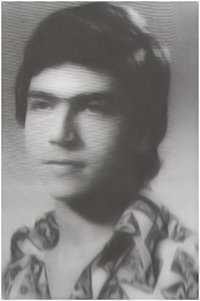 He was born in "Nor Sis”, Beirut in 1960.
He received his education in the "Aksor Kasardjian” school. He became a member of the Armenian revolutionary federation and vowed to fight for the rights and security of the Armenian nation.
Barouyr Doudaklian gave his life in September 13, 1979, while defending the streets and neighborhood where he spent his days as a child.
His parents accepted the death of their child with the perception of devoted Armenians.
 Hovig Boursalian was born in 1968 in Anjar. He received his primary education in the " Harach "K. Gulbenkian” Secondary School.
He was a member of the HMEM band, the ARF "Harach” juniors and later the ARF "Shavarsh Misakian” Youth Association.
In 1987, he decided to sign up in the Lebanese army and serve his country, but unfortunately he died during a military mission in 1990.
 Laurence Kerteshian was enrolled in the Lebanese army in 1993. He died the same year while serving his country. His name is documented on the monument dedicated to the Martyrs of the Lebanese Army.
Anto Boghigian was born in Anjar. He received his education in the Armenian Evangelical Secondary School. He was a member of the HMEM football team.
He was martyred in the HMEM club in Anjar during the Lebanese Civil War.